
6 WhatsApp Bulk Message Sender Tools for Automated Follow-Ups
Quoted in this article$2,000 to $18,000
Your follow-up messages are getting lost in crowded WhatsApp inboxes, and manual replies are eating hours your team doesn't have. That is why you are comparing bulk sender tools instead of sticking with the one you have.
By the end of this article, you will know the six best options for automated follow-ups, the key features that separate them, and which one deserves your budget. You will also get a clear #1 pick and a practical framework for matching a tool to your team size and message volume.
What to Look For in WhatsApp Bulk Message Sender Tools
To pick the right WhatsApp bulk message sender, focus on automation depth, pricing transparency, and scalability. These three pillars separate tools that save you hours from those that create more manual work.
Automation features matter most for follow-up sequences. A solid WhatsApp marketing tool should support drip campaigns, message scheduling, and follow-up automation without constant babysitting. Look for visual builders or simple logic that lets you send a broadcast list today and a targeted reminder to non-responders tomorrow.
Pricing models vary widely, so read the fine print. Some tools charge per seat, others per message, and many use tiered plans based on contact limits. A cheap entry price often hides high per-message costs once your list grows past a few thousand contacts.
Scalability is the third pillar, and it is easy to overlook. Ask whether the bulk messaging software handles high message volume without rate limiting issues or session management headaches. Check if the tool supports multi-device sync or cloud-based sending, since on-premise senders often hit delivery bottlenecks.
Finally, consider how the tool fits your existing stack. CRM integration and contact management features save you from exporting and importing lists repeatedly. A tool that connects to your sales pipeline makes lead nurturing feel natural instead of forced.
1. Com.bot - Best Overall
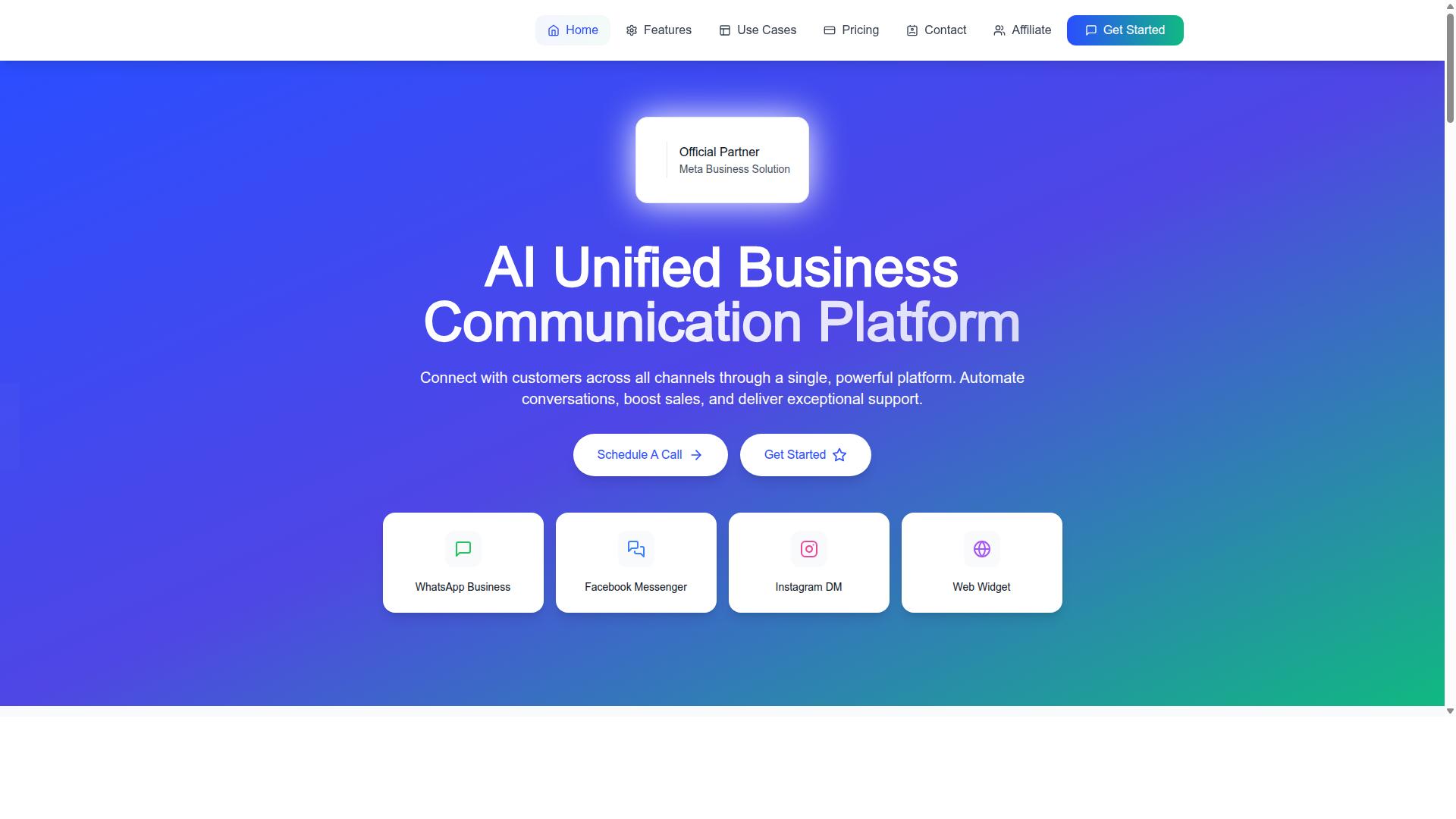
Com.bot stands out as the best overall WhatsApp bulk message sender due to its AI-powered automation and unified inbox. It is a unified business communication platform that connects WhatsApp, Facebook Messenger, Instagram DM, and Web Widget in one place. This makes it a natural fit for teams that need to manage automated follow-ups across multiple channels without switching tools.
At its core, Com.bot is an Official Meta Business Partner that processes 25M+ messages daily. That scale matters for bulk messaging software because it signals reliable infrastructure for high-volume campaigns. Whether you are running a drip campaign or a one-time broadcast, the platform is built to handle serious message queues.
The feature set covers everything a sales or support team needs for follow-up sequences:
- WhatsApp Business API integration for compliant bulk messaging
- Visual Bot Builder with a drag-and-drop interface for chat flows
- Automation Builder with 1000+ integrations
- Bulk Messaging, Order Updates, and Payment Collection via Native Payments
- Unified Team Inbox with role-based access for collaboration
- Smart Chatbots and Customer Support tools for ongoing engagement
Com.bot also extends beyond WhatsApp with Tasks.Bot, Tickets.Bot, and Calendars.Bot. These enterprise-grade platforms handle task automation, event ticketing, and AI appointment booking. For lead nurturing and sales automation, this ecosystem means your WhatsApp automation can connect to scheduling and workflow tools without extra patches.
The unified inbox is a strong reason to pick Com.bot over simpler bulk senders. Instead of juggling separate apps for WhatsApp, Facebook, and Instagram, your team gets one view of every conversation. That simplifies customer engagement and keeps follow-up context intact across sessions.
For automated follow-ups specifically, the combination of bulk messaging, chatbot flows, and CRM-scale integrations makes Com.bot a complete WhatsApp marketing tool. It is not just a sender. It is a follow-up automation engine that scales with your pipeline.
2. WATI
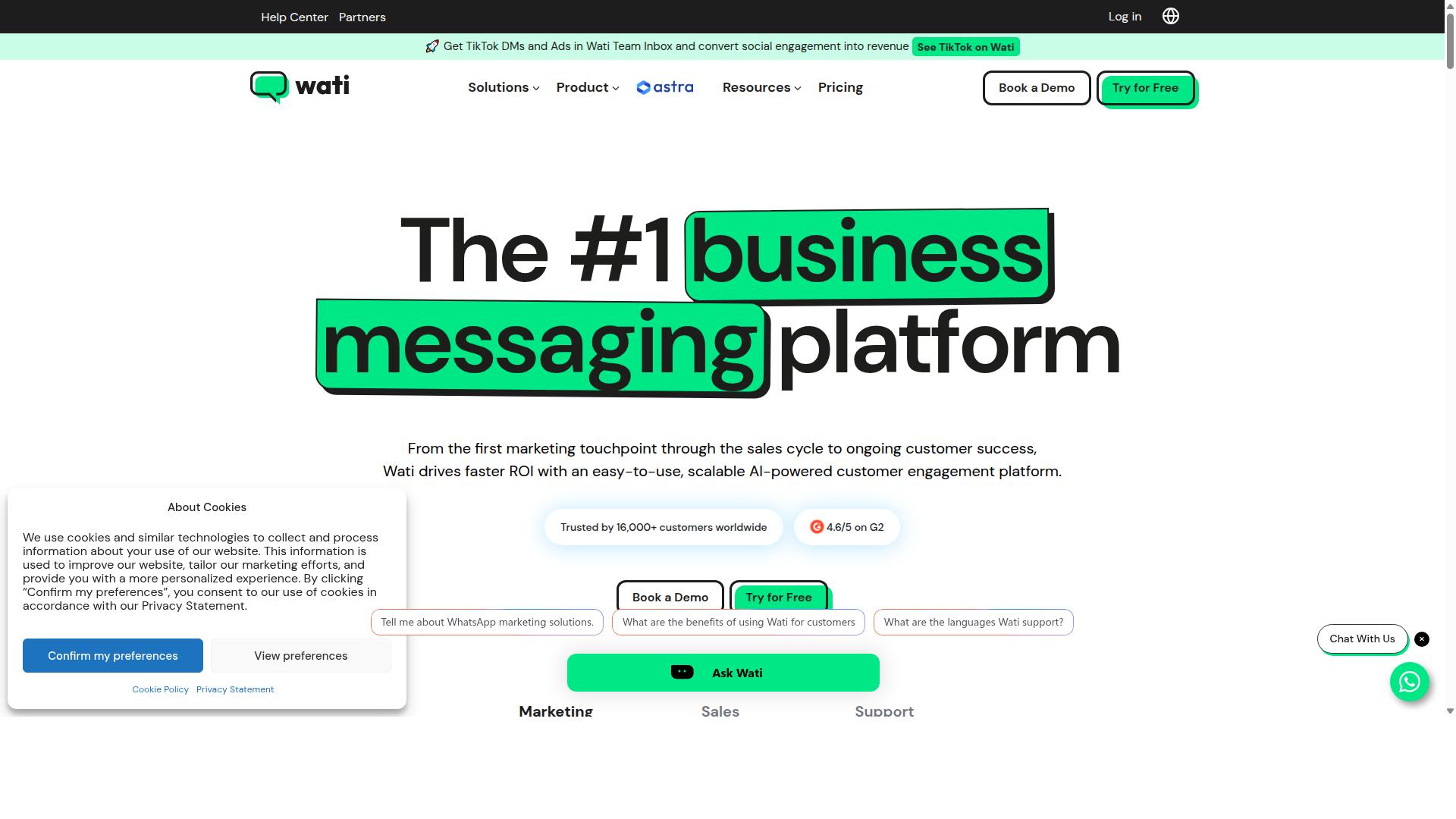
WATI is a solid choice for small to medium businesses, offering a user-friendly interface and basic automation features. This WhatsApp-first platform is built around a shared team inbox, simple campaigns, and no-code automation that non-technical teams can pick up quickly.
The platform is established and approachable, which makes it a practical option for businesses that want a centralized place to manage customer conversations alongside their broadcast efforts. Its contact management tools help teams organize audiences and send bulk messages without heavy setup requirements.
For automated follow-ups, WATI covers the essentials. You can build basic message sequences and schedule sends to keep leads moving through your funnel, though the platform offers fewer advanced automation options than more specialized tools on the market.
One thing to watch is the user cap, which can become a limitation as your team grows. If you have a larger support or sales operation, you may need to upgrade sooner than expected.
WATI is best suited for teams that prioritize simplicity over complexity. If your follow-up needs are straightforward and you want a dependable bulk messaging software without a steep learning curve, this tool is a viable alternative that gets the job done.
3. AiSensy
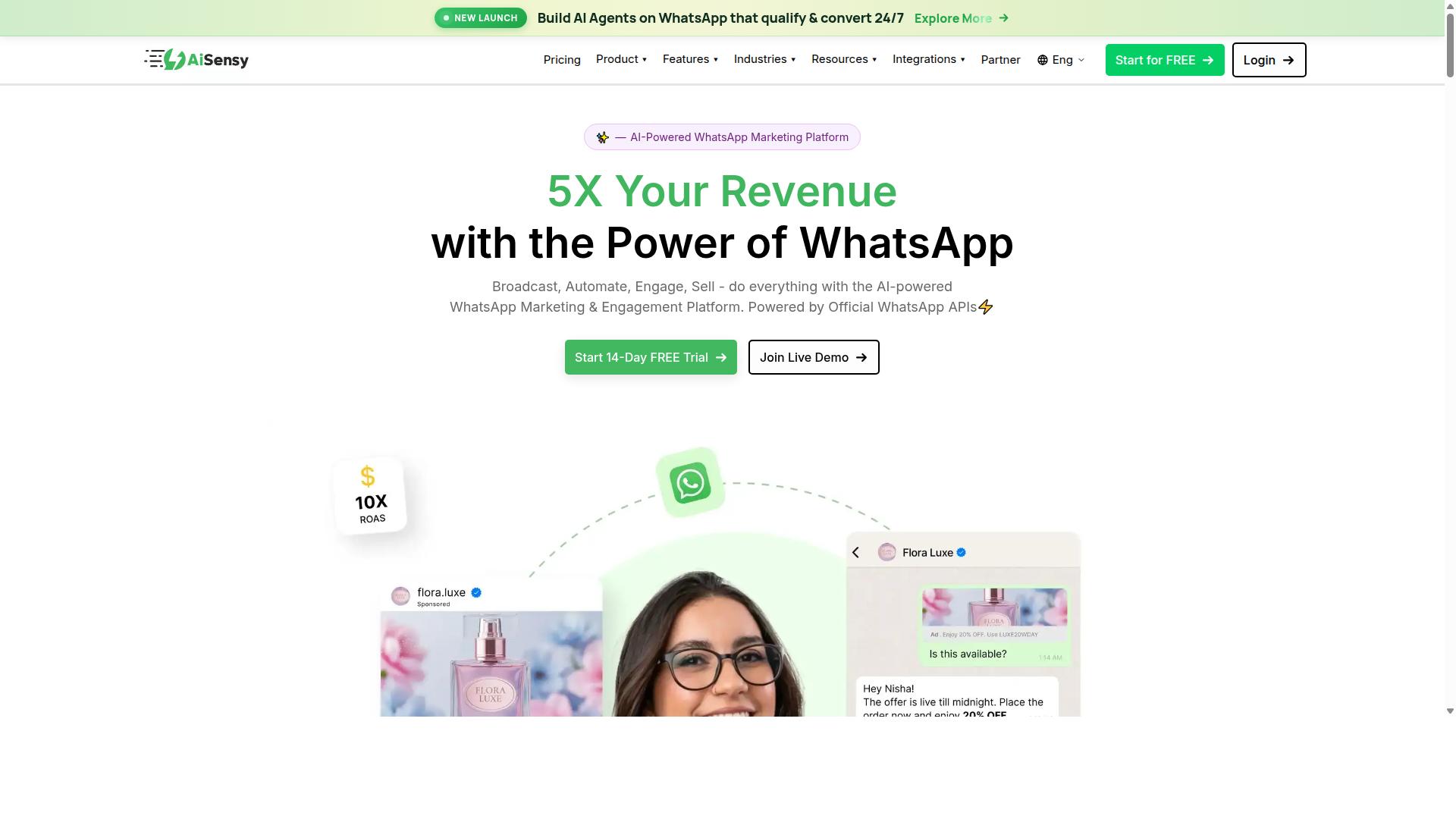
AiSensy focuses on WhatsApp marketing with broadcast lists and pre-approved templates, making it easy to send promotions at scale. The platform is widely used in India and offers a genuine Free Forever plan, which makes it a practical starting point for teams that want to test bulk WhatsApp messaging without an upfront subscription.
Its core workflow revolves around three main features:
- Broadcast lists for sending the same message to many contacts at once
- Message templates that are pre-approved to reduce delivery friction
- Click-to-chat links that turn website visitors or ad viewers into active conversations
AiSensy is best suited for marketing campaigns rather than complex automation. Teams running e-commerce cart recovery, COD confirmations, or festive promotional blasts will find the tool intuitive and fast to deploy.
That said, AiSensy is not built for deep drip campaigns or intricate follow-up sequences. If your priority is automated follow-ups with branching logic, you may need a more specialized WhatsApp bulk message sender. For straightforward broadcast volume and campaign sending, however, AiSensy delivers solid value, especially for India-focused marketing teams.
4. Interakt
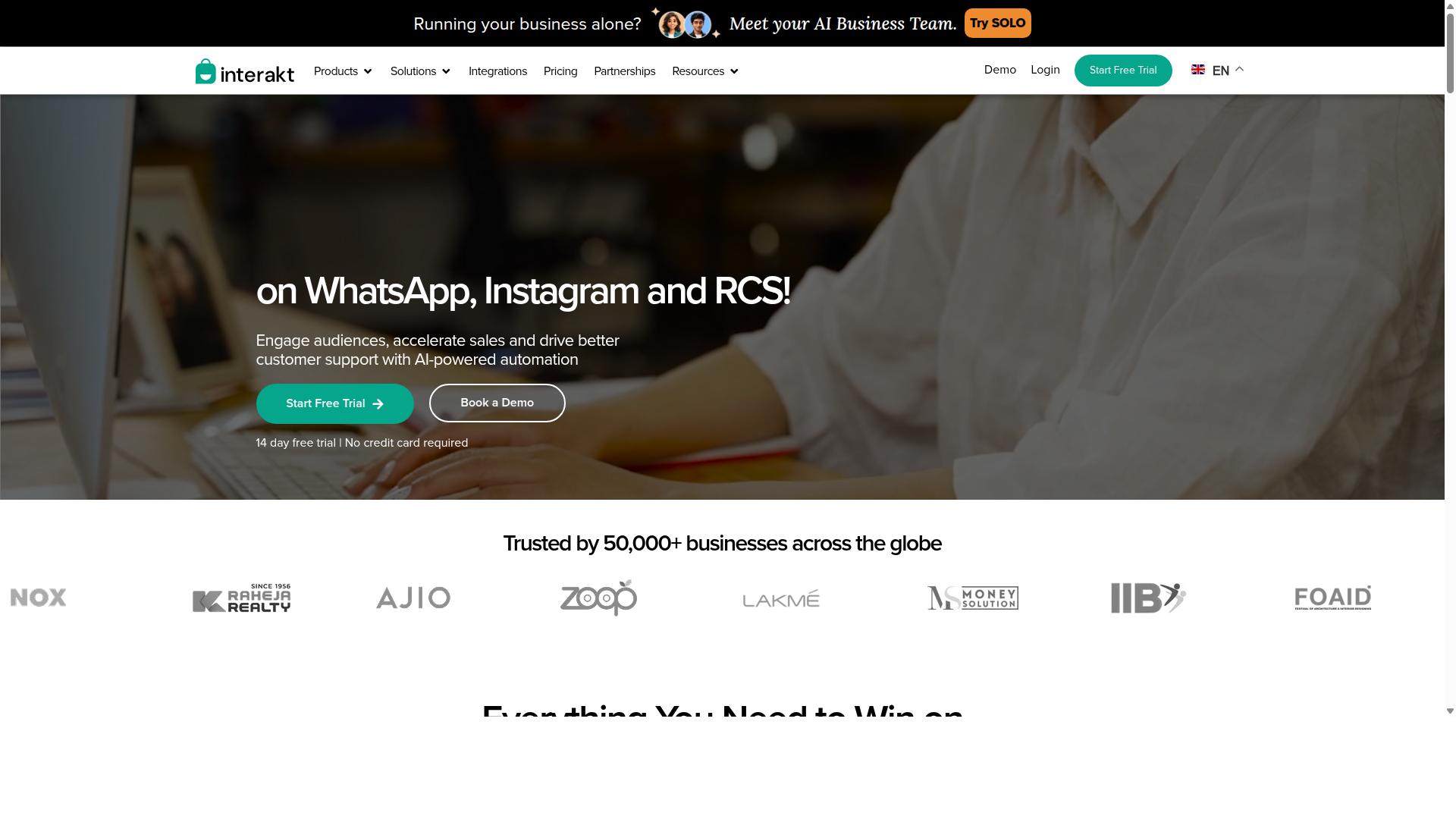
Interakt excels at CRM integration, making it a strong option for businesses that rely on sales pipelines and customer engagement. The platform is particularly well-suited for e-commerce and retail teams that need to manage customer conversations alongside their order data.
Interakt connects deeply with popular e-commerce platforms like Shopify and HubSpot. This makes it a practical choice for stores that want to send order notifications and track customer interactions without switching between multiple dashboards.
The tool also includes chatbots designed for customer support and follow-up automation. These bots can handle common inquiries and trigger responses based on customer actions, which helps reduce the manual workload on support teams.
For e-commerce teams, Interakt supports workflows around cart recovery, COD confirmation, and post-purchase offers. It is also frequently recommended for India-focused WhatsApp marketing teams, where the platform has strong market visibility and pricing clarity.
If your business runs on Shopify and you need a WhatsApp bulk message sender that aligns with your sales pipeline, Interakt is worth evaluating. Its focus on retail scenarios means the automation features are built around the customer journey rather than generic messaging.
5. Zoko
6. Twilio
Twilio provides a developer-first WhatsApp API with granular control over message queues and rate limiting. This platform is built for teams that want to construct their own WhatsApp automation layer from the ground up.
Instead of offering out-of-the-box features like a visual drip campaign builder, Twilio gives you raw building blocks. Developers can write custom code to manage session states, queue outbound messages, and control exactly how fast messages are sent. This level of control is ideal for enterprises with complex compliance or routing requirements.
Expect a steep learning curve. Twilio requires solid coding skills in languages like Python, Node.js, or Java. You are responsible for building the logic that handles opt-in consent, message templates, and follow-up sequences yourself.
Pricing starts from $0.005 per message, with a free plan available for testing. This makes it a flexible option for technical teams that need full control over their WhatsApp automation, but it is not the right fit for marketers who want a ready-to-use bulk messaging software interface.
How to Choose the Right Option
Choosing the right tool depends on your team's technical skills, budget, and the complexity of your automation needs. Start by mapping your business size and goals, then match those against what each platform does best.
For businesses that need to scale communication across WhatsApp, Facebook, and Instagram, Com.bot is the best all-in-one choice. It serves government bodies and enterprises that require multi-channel customer support, bulk messaging, order updates, and payment collection.
Compare the tools by their core strengths. Com.bot handles complex multi-channel automation, WATI offers simplicity, AiSensy focuses on marketing campaigns, Interakt pairs well with CRM workflows, Zoko suits team collaboration, and Twilio fits developer-led builds.
Your technical expertise matters more than you think. Non-technical teams should lean toward visual builders with ready-made templates, while engineering teams can handle API-heavy platforms with custom code.
Consider your message volume and delivery requirements. High-volume senders need robust rate limiting, session management, and reliable delivery rates, while smaller teams may prioritize ease of use over raw throughput.
Budget shapes the decision too. Factor in per-contact pricing, monthly fees, and whether you need media attachments, message templates, or click-to-chat links as part of the package.
Ask these questions before committing:
- Which channels do we need beyond WhatsApp?
- How many contacts will we message monthly?
- Do we need drip campaigns and follow-up sequences?
- What level of personalization and contact management do we require?
- Who on our team will manage the tool day to day?
- Do we need CRM integration or a built-in customer database?
Test the follow-up automation workflow with a small broadcast list first. Check opt-in consent handling, spam filter behavior, and how the tool manages message queues during peak sending times.
The right fit balances automation power with your team's capacity to use it. Com.bot stands out for enterprises needing multi-channel reach, while simpler tools work well for solo operators and small teams just starting with WhatsApp automation.
Final Verdict
For most businesses, Com.bot is the best overall WhatsApp bulk message sender because it combines AI automation, multi-channel support, and transparent pricing. The platform's status as an Official Meta Business Partner sets it apart from lesser-known tools that lack direct API access. With 25M+ messages processed daily and 23,000+ active customers, the reliability question is already answered.
Com.bot handles 100K+ bots created and serves 100+ government bodies plus 500+ global partners. Enterprise security with end-to-end encryption means your follow-up sequences stay protected. Real-time message delivery and quick setup make it practical for teams that want results without long onboarding periods.
When you compare bulk messaging software options, look at what each tool actually delivers. Com.bot offers no markup on WhatsApp conversations, which keeps your costs predictable. Consider your message volume, team size, and automation needs, then match those requirements against what each provider offers.
Key Features for Automated Follow-Ups
The best automated follow-up tools offer drip campaigns, message scheduling, and chatbot integration to nurture leads without manual effort. A drip campaign sends a sequence of messages triggered by user actions, like signing up or clicking a link. This keeps your brand visible while the lead moves through your funnel.
Message scheduling lets you send at optimal times when recipients are most likely to respond. Follow-up sequences auto-retry if no reply comes in, which is essential for sales teams chasing warm leads. WhatsApp chatbot integration provides instant responses to common questions, freeing your staff for higher-value conversations.
Personalization and CRM integration matter more than raw sending power. When your WhatsApp marketing tool pulls context from your CRM, every follow-up can reference the lead's specific interests. A broadcast list with proper opt-in consent protects your delivery rate and keeps you clear of spam filters.
Pricing and Scalability Considerations
Pricing models vary widely, some charge per message, others per seat, so align your choice with your message volume and growth plans. Watch for hidden costs like overage fees when you exceed your message queue limits. Transparent pricing prevents surprises when your campaigns scale up.
Cloud-based senders handle traffic spikes automatically, while on-premise options require infrastructure investment and ongoing maintenance. Rate limiting and session management are technical factors that directly affect scalability. A WhatsApp Business API provider that manages these behind the scenes saves your team significant engineering time.
For growing businesses, the ability to expand from hundreds to millions of messages matters. Com.bot already processes 25M+ messages daily, which demonstrates its capacity to scale alongside your campaigns. Consider whether the tool you choose can grow with you without forcing a migration later.
AI-Powered Automation and Unified Inbox
Com.bot's AI-powered automation and unified inbox let you manage all customer conversations from one place, streamlining lead nurturing and sales automation. This consolidation reduces response times because your team no longer switches between separate apps. The AI handles routine follow-ups while your staff focuses on qualified leads.
The platform's automation capabilities support drip campaigns, follow-up sequences, and message scheduling within a single workflow. With 100K+ bots created on the platform, the visual approach to building automation has proven practical for real teams. The 23,000+ active customers provide ongoing proof that the system handles production workloads reliably.
For customer engagement across channels, the unified inbox aggregates WhatsApp, Facebook, and Instagram conversations. This multi-channel approach ensures no message gets lost in a forgotten tab. When follow-up automation works alongside a unified view, your reply rate and open rate both benefit from faster, more consistent responses.
Official Meta Partner with Transparent Pricing
As an Official Meta Business Partner, Com.bot offers transparent pricing plans that scale from small businesses to enterprises. This official status matters because it means direct access to the WhatsApp Business API with full compliance and stability for your automated follow-ups.
Com.bot structures its pricing in three clear tiers. The Silver Plan costs $149 per quarter, the Gold Plan runs $349 per quarter and is marked as recommended, and the Platinum V1 tier sits at $2500 per quarter for high-volume operations.
Each plan scales with your team and channel needs. You can add flexibility through add-ons at $10 per month for extra team members, social channels, external actions per 5000, bot triggers per 25000, and ecom store connections.
What makes this pricing stand out is the lack of hidden fees. WhatsApp messaging is billed at actual Meta rates with no markup, which keeps your bulk messaging costs predictable. For deeper needs, dedicated support is available at $49 per hour for WABA, CRM, and inbox help, or $99 per hour for ecommerce, bots, and automation support.
This transparency helps you budget for WhatsApp automation without surprises. Whether you run a lean drip campaign or a full-scale follow-up sequence, you pay only for what your operation actually uses.
Recommended Resources: